Unlocking Creativity: Abstract Background Vector Design
In the world of digital and print media, the foundation of any compelling visual is often the background. An Abstract Background Vector Design is more than just empty space; it is a dynamic, scalable, and versatile design asset that sets the tone for your entire project. Unlike raster images that pixelate when scaled, vector designs are built on mathematical paths, ensuring they remain crisp and clear whether they are used on a tiny mobile screen or a massive billboard. This makes them an indispensable tool for modern creators, from graphic designers and marketers to small business owners looking to elevate their brand presence.
Visually, these designs are characterized by their fluidity and modern aesthetic. You will often find a blend of geometric shapes, flowing gradients, and intricate line work that creates a sense of movement and depth. The appeal lies in their versatility; a single abstract vector can be minimalist and subtle for a corporate report or vibrant and chaotic for a music festival poster. The personality of an Abstract Background Vector Design is inherently creative and futuristic, offering a blank canvas that still possesses its own artistic flair. It bridges the gap between art and function, providing a backdrop that enhances the foreground content without overwhelming it.
Strategic Applications in Branding and Marketing
When it comes to establishing a strong brand identity, consistency is key. Incorporating an Abstract Background Vector Design into your visual strategy can unify your presence across multiple platforms. For social media graphics, these vectors act as perfect banner or poster backgrounds, allowing text and logos to pop. Because they are scalable, they work beautifully for web design, ensuring fast load times and high-resolution displays on retina screens. They are equally effective in packaging design, where a unique texture or pattern can make a product stand out on the shelf.
For entrepreneurs and small business owners, using high-quality design assets signals professionalism. A generic stock photo can feel dated, but a modern geometric or fluid vector background feels current and intentional. Consider using these designs for:
- Business presentations and pitch decks to maintain a professional look.
- Editorial design for magazine covers or book layouts, adding a creative touch.
- Flyer and event invitations where a hip or trendy vibe is required.
- Digital wallpapers and app interfaces to enhance user experience.
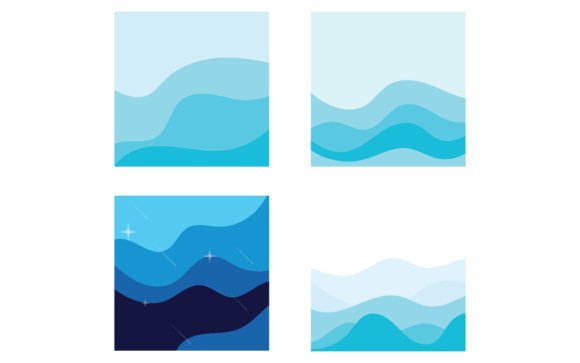
The visual language of these designs—whether they utilize blue gradients for a corporate feel or bright, colorful shapes for a youthful audience—allows you to tailor your message precisely. It is about using graphic elements to tell a story before a single word is read.
Visual Hierarchy and Audience Engagement
The true power of an Abstract Background Vector Design lies in its ability to manage visual hierarchy. By adjusting the opacity, scale, or color of the vector, you can control where the viewer’s eye goes first. A subtle, minimal background with soft lines ensures that your main message is the hero. Conversely, a dynamic, bright background can create excitement and energy, ideal for sales promotions or creative portfolios.
This approach significantly influences audience engagement. Humans are naturally drawn to visual complexity and harmony. A well-chosen abstract background adds a layer of sophistication that encourages users to spend more time with your content. It transforms a flat, blank page into an immersive experience. For instance, using a liquid or wave style vector can evoke feelings of calm or innovation, depending on the execution. This psychological impact is crucial for brand perception; it helps build recognition and trust over time.
Practical Guidance for Implementation
Choosing the right Abstract Background Vector Design requires a practical eye. First, evaluate the compatibility of the design with your existing assets. If you use a specific serif or sans serif typeface for your headers, ensure the background’s style complements rather than clashes with your typography. A chaotic background pairs best with clean, legible fonts, while a simple background can handle more decorative script or handwritten styles.
When selecting your vector, consider the file format. SVGs are standard for web use, while AI or EPS files are necessary for print production. Always review the licensing. If you are working on a commercial project, ensure you have the rights to use the template or asset in a commercial capacity. Many platforms offer premium vectors that come with extended licenses, providing peace of mind for client work.
Finally, do not be afraid to experiment. Abstract vectors are incredibly malleable. You can change the color palette to match your brand, crop specific sections to create unique elements, or overlay them with other textures. Whether you are creating a presentation layout, a web header, or a journal cover, these assets offer endless possibilities. By integrating these modern graphic elements, you ensure your designs remain relevant, engaging, and visually striking in a crowded digital landscape.