The Timeless Charm of Vintage Film Camera Clapperboard
A Visual Icon of Cinema's Golden Age
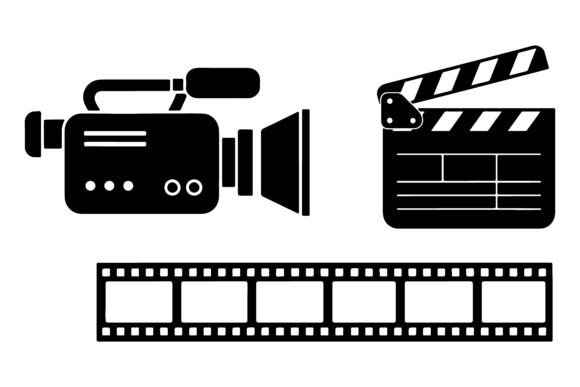
There’s a distinct personality embedded in the Vintage Film Camera Clapperboard style. It’s more than just a graphic; it’s a direct visual link to the history of filmmaking. This aesthetic, often represented in stark black and white monochrome, captures the essence of classic Hollywood. Think of the clean lines of a film strip silhouette, the definitive shape of a clapperboard, and the intricate detail of a vintage camera lens. These are not just icons; they are symbols of a time when every frame was crafted with intention. The style evokes a sense of nostalgia, professionalism, and artistry that modern digital tools sometimes lack.
Visually, this approach is characterized by its high-contrast, isolated graphics. The design relies on strong, recognizable shapes—the reel, the projector, the director's slate—rendered in a way that feels both retro and meticulously designed. It’s a monochrome world where texture and form take center stage. The appeal lies in its versatility and its immediate storytelling power. A single silhouette can communicate "cinema," "production," or "classic entertainment" without a single word. For designers and creators, this is a powerful visual shorthand. It’s a style that feels authoritative yet accessible, rooted in history but perfectly adaptable for contemporary projects.
Where This Style Shines: From Branding to Digital Content
Understanding where to apply the Vintage Film Camera Clapperboard aesthetic is key to unlocking its potential. Its strength lies in projects that aim for a sense of heritage, quality, or cinematic flair. In brand identity and logo design, it’s a perfect match for film production companies, independent cinemas, photography studios, and creative agencies wanting to project a classic, trustworthy image. The visual language is immediately understood, building recognition and setting a specific tone.
Beyond logos, this style excels in editorial design and packaging design. Imagine a book cover about film history, a magazine layout on classic directors, or premium packaging for artisanal products where craftsmanship is the story. The monochrome, vector-based graphics ensure clarity and impact in print. In the digital realm, it’s invaluable for web design headers, blog graphics for movie reviewers, and social media graphics for film festivals or video creators. The isolated, clean nature of the icons makes them easy to integrate into various layouts without visual clutter. They work beautifully as part of a larger design system, providing consistent visual anchors across a website, a social media feed, or a set of marketing materials.
Practical Application: Making the Style Work for You
Integrating this aesthetic effectively requires more than just dropping an icon onto a page. First, consider the project's core message. Is it about the magic of old Hollywood, the technical side of filmmaking, or a general creative vibe? This will guide which specific elements you emphasize—the clapperboard for "action," the film strip for "motion picture," or the camera for "cinematography." The style functions much like a display font; it’s meant to capture attention and set a mood, so use it strategically for headlines, hero images, or featured sections.
A critical step is font pairing. The vintage graphic style pairs exceptionally well with clean, modern sans serif fonts for body text, creating a balanced contrast that ensures readability. For a more thematic approach, a classic serif font can enhance the retro feel, while a simple script font might add a touch of elegance for specific applications. Always test your pairings. View them at different sizes and on various devices to check for clarity. The goal is a harmonious relationship where the vintage elements add character without compromising the overall legibility and professional polish of your design.
When sourcing these design assets, look for high-quality vector files. A true EPS file offers incredible scalability, perfect for everything from a tiny favicon to a massive billboard. A high-resolution JPG file is useful for digital applications where vector editing isn't possible. Pay close attention to the collection you choose. A good set will offer variety—different angles, compositions, and levels of detail—allowing you to create a cohesive yet dynamic visual system. Whether you're a small business owner crafting your brand's story, a blogger creating engaging content, or a designer building a client's brand identity, this timeless visual language offers a powerful and evocative toolset. It’s about leveraging a piece of cultural history to add depth and authenticity to your modern projects.